 Member FDIC. Equal Housing Lender.
Community Reinvestment Act

What is the Community Reinvestment Act (CRA)?
The Community Reinvestment Act (CRA) was enacted in 1977 as a response to redlining and other discriminatory banking practices, requiring banks to invest in the communities where they do business. We are proud to have received a CRA rating of “Satisfactory” from the FDIC in our most recent performance evaluation in 2024.
Receiving a "Satisfactory" rating reflects our commitment to meeting the credit and development needs of those in our community, especially low-to-moderate income (LMI) neighborhoods, individuals, and small businesses. We continuously look for ways to increase our impact in the communities we serve by supporting local residents, nonprofits, B Corps, locally-owned businesses, and affordable housing initiatives.
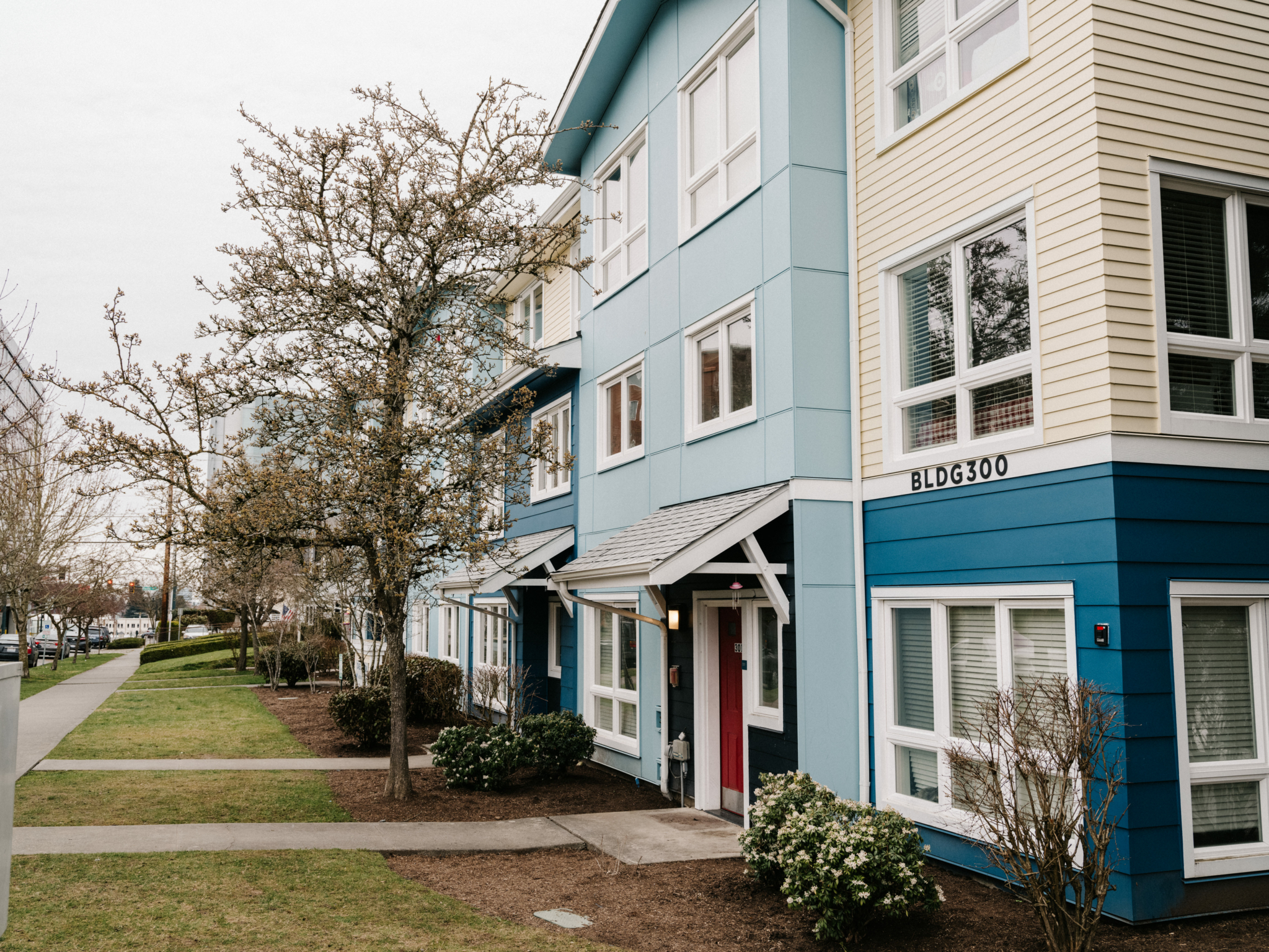
The CRA is good for communities, consumers, businesses, and the banking industry
We have been vocal about the need to reform the CRA to more effectively meet community needs and ensure equitable banking practices, as well as modernize it for the digital era. Yet in recent years, there have been efforts to undermine even the existing CRA. In an era of discrimination in the financial industry, continued racially disparate access to financial services, and an increasing wealth gap in our communities, a robust CRA is more vital than ever. We have made our most current CRA Public File available below, and we encourage you to dive in to better understand our work and impact.
2024 Community Impact Highlights
Affordable housing lending
- $150 million in outstanding loans that support affordable housing projects.
- To date, 17,143 affordable housing units have been financed.
Commercial and small business lending
- We originated a total of $103.5 million to business and nonprofit borrowers.
- We issued $18 million in loans to small businesses.
Consumer lending to LMI borrowers
- Clients who refinanced their auto loans reduced their interest rates by an average of around 5.6% for an average savings of $152.85 per month.
- At year-end 2024, we held 1,682 auto loans to ITIN (Individual Taxpayer Identification Number) borrowers, allowing those without a social security number to secure financing.
Sponsorships
- We funded nearly $298,300 in sponsorships for local nonprofits in 2022. (We work to maximize prosperity for our communities and our customers instead of maximizing shareholder profits, so our total sponsorship budget is smaller than a large, national bank.)
Financial education
- 767 people completed our financial wellness workshops in 2024 (some individuals may have been counted multiple times for each module they attended).
- We partnered with 9 organizations to provide coaching.
Staff volunteer hours
- In 2024, our team volunteered over 2,286 hours at nonprofit organizations.
All Community Impact data is updated as of December 2024 and reflects 2024 impact, unless noted otherwise.
Choose a Bank that Invests in Tomorrow

Beneficial State Bank serves the triple-bottom-line of people, planet, and prosperity for all. That means prioritizing social justice and environmental sustainability. Change your bank and help change the world.
CRA Performance Evaluations occur approximately every two to three years and are based on the most recent three years of data at that time. For that reason, some of the data in our most recent evaluation does not match our current Impact Report, which is based on year-end loan balances unless otherwise noted. Our Impact Report reflects our most up-to-date mission impact data.