Member FDIC. Equal Housing Lender.
How a New Chapter for B Corp Certification Can Shift the Global Economy
Apr 30, 2026 | Craig Hill, VP, Client and Treasury Manager
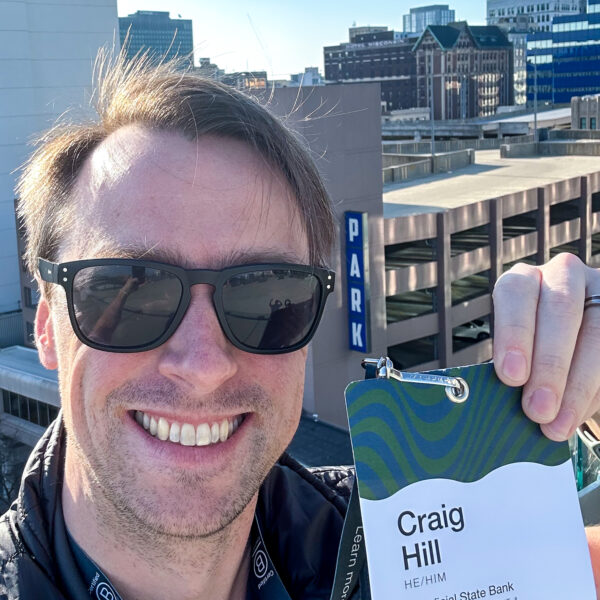
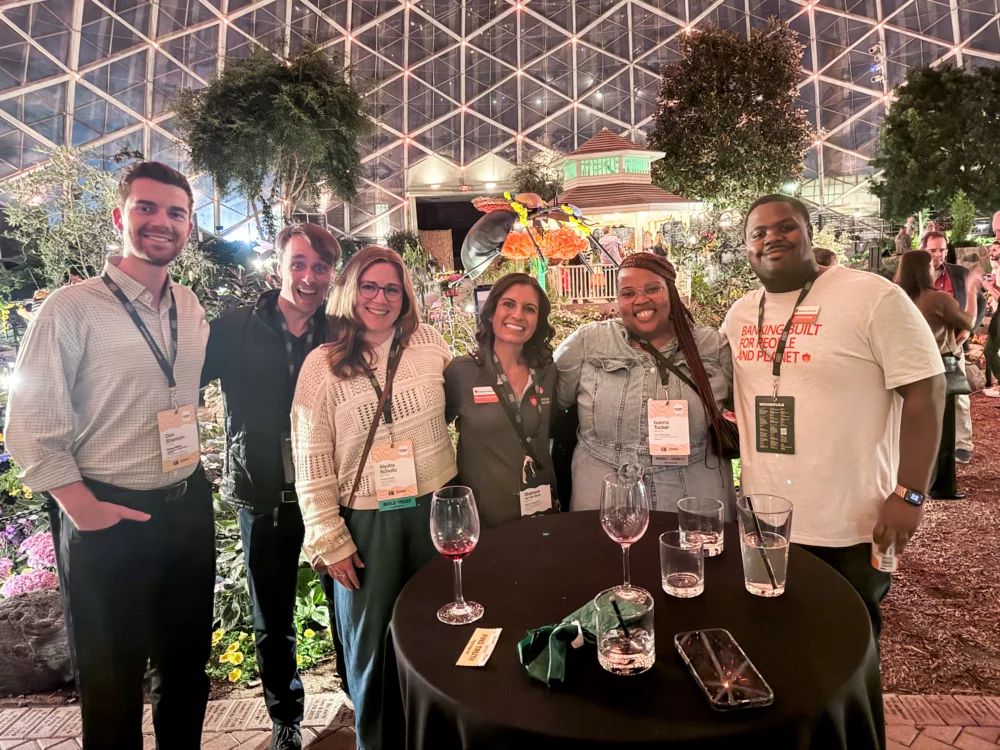
The African proverb of “If you want to go fast, go alone. If you want to go far, go together” is a common phrase in the impact business world. After a week at Champions Retreat with fellow B Corp leaders, and as the B Corp movement enters its most significant evolution in twenty years, this feels truer than ever.
Twenty Years of the B Impact Assessment
The B Impact Assessment (BIA), the backbone of B Corp certification, turns 20 this year. Historically, a company had to reach a score of 80 points on its BIA out of a possible 200 to qualify as a B Corp. How each B Corp got there varied. While one might focus on supply chain transparency, another could focus on environmental sustainability.
Over the first 13 years, the assessment was modified, and new standards were rolled out every few years, eventually totaling six unique assessment categories. It’s now being referred to as “Version 1.” Every two or three years, recertifying companies had to meet the newest revisions. The revisions were significant but often refined the existing framework rather than wholesale reimaginations of it, still relying on the 80 points-to-qualify rubric. Version 1.6 was slated to be refreshed in 2020, but, like so many other best-laid plans, COVID had other ideas—leaving Version 1.6 in place until recently.
Enter Version 2 of the B Impact Assessment: A New Paradigm
In early 2025, B Lab launched “Version 2” of the BIA. While it still measures many of the same environmental and social components, it introduces a new paradigm altogether.
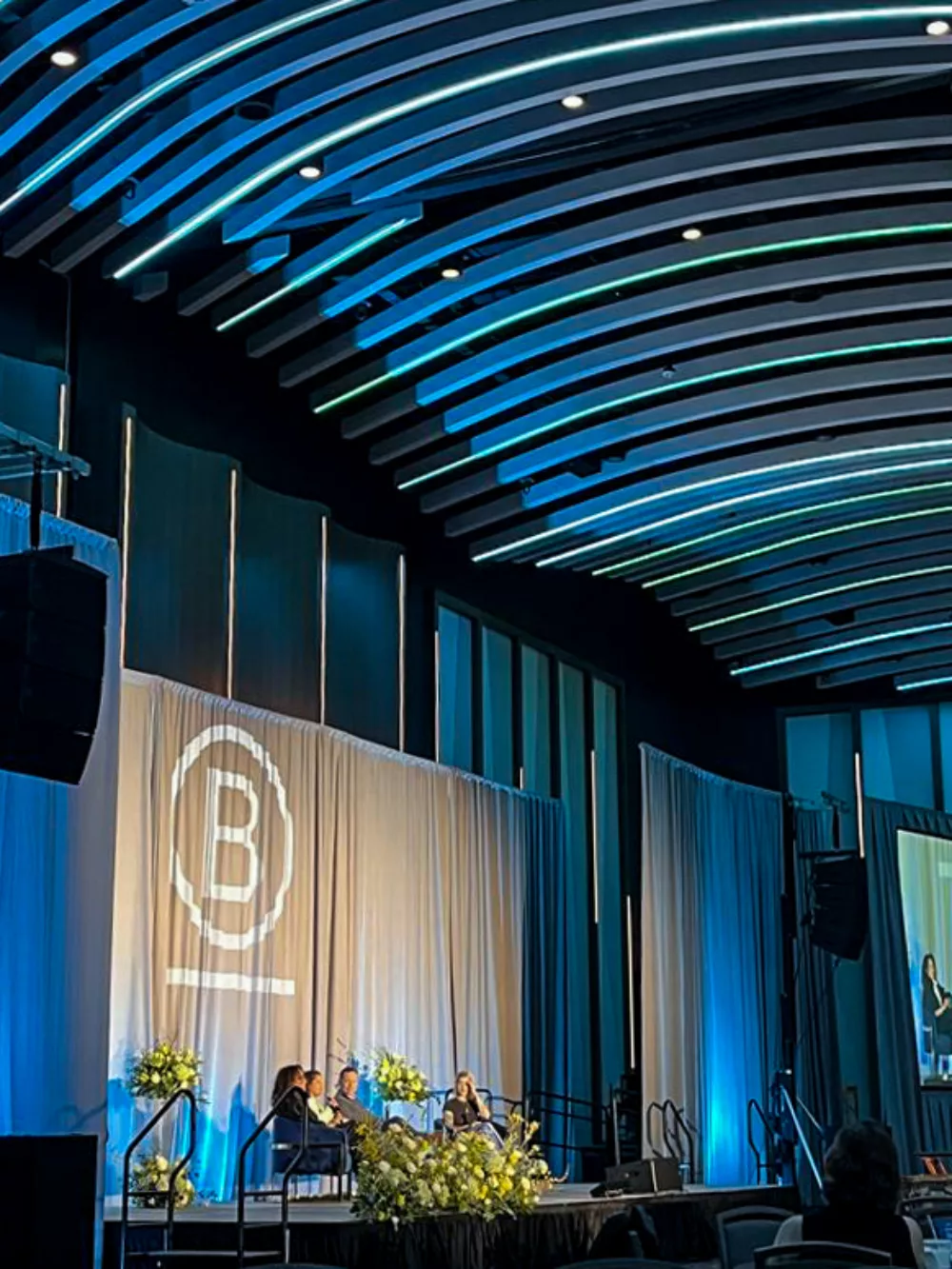
Instead of each B Corp finding their own pathway to 80 points, the new assessment requires that all B Corps must now meet verifiable requirements across seven measurement areas.
This shift from “what does your company do?” to “what all B Corps must do” is significant. Instead of an individual focus, a collective impact lens comes to the forefront, as all B Corps now must be accountable to the same global expectations. They all must set transparent, measurable targets where they will integrate climate goals into their governance, publish their transition plans, and practice human rights due diligence throughout their inputs and supply chain.
If Every Business Met These Standards
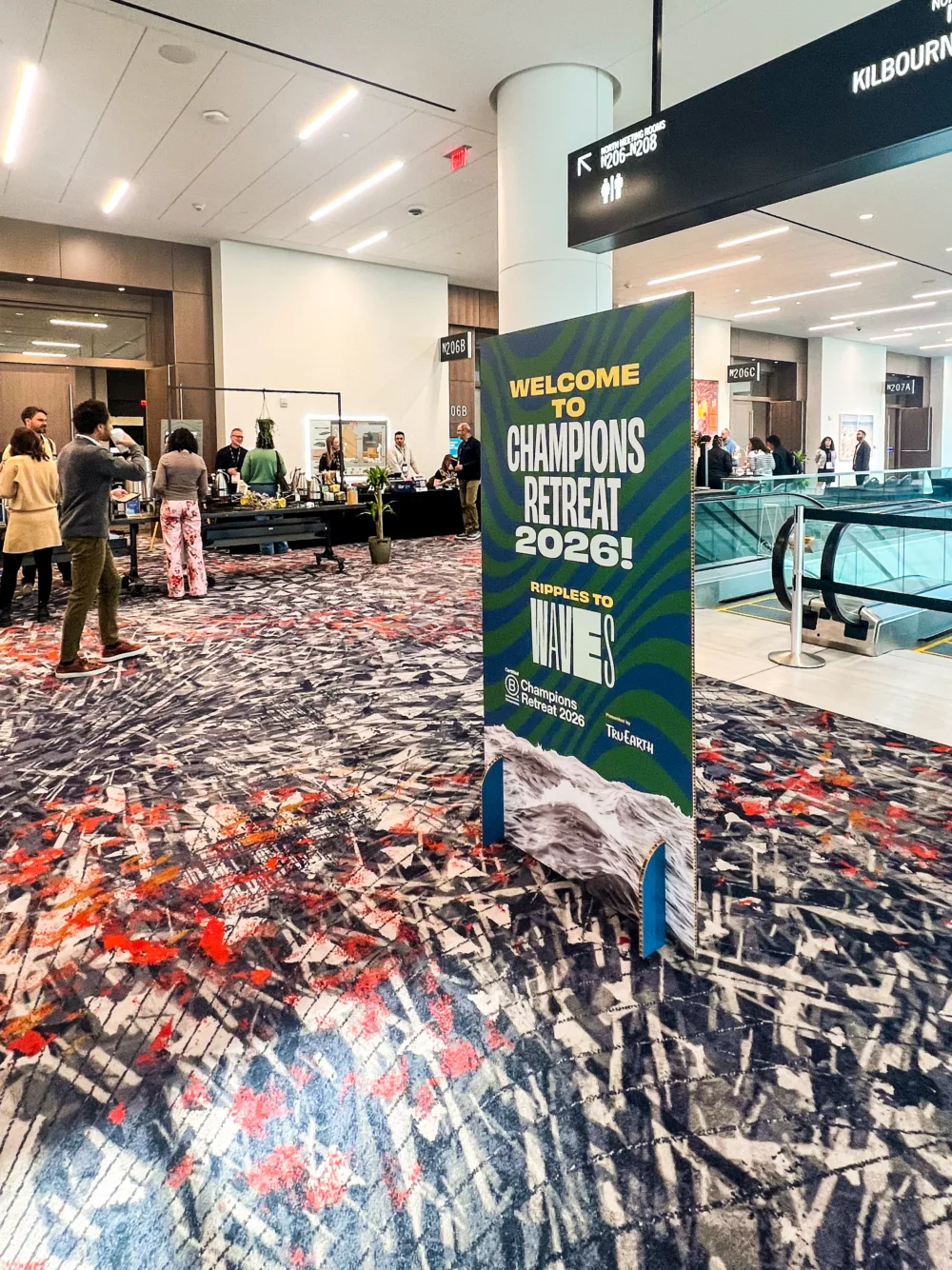
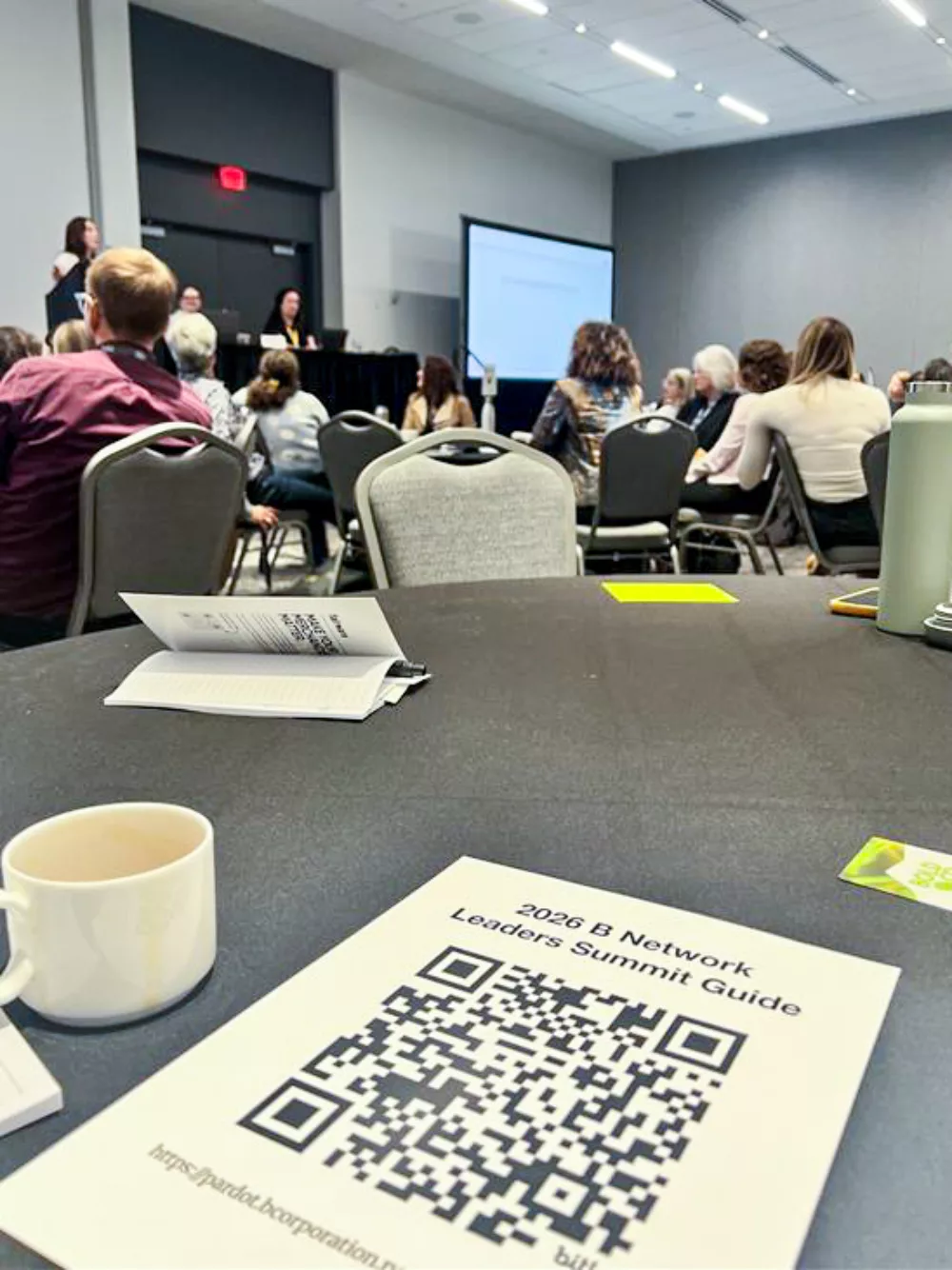
Bringing this point home: Clay Brown, B Lab’s Chief Standards Officer, shared from the main stage at Champions Retreat 2026 that while individual change is important and necessary, the impacts of the changes become truly compelling when taken collectively.
New research from B Lab reveals that scaling the current practices of B Corps under Version 2 of the standards across all sectors of the global economy could:
- Reduce global warming by 0.5°C (0.8°F) by 2100, instead of the current forecast of an increase of 3.5°C (5.9°F)
- Prevent 600,000 deaths from extreme heat, and
- Lower extinction risk for thousands of species.
Returning to the Declaration of Interdependence
The first 72 certified B Corps signed what’s known as the Declaration of Interdependence, recognizing that the planet and workers are essential stakeholders that have long been without a seat at the table.
They believed that shareholder-profit maximization needs to give way to stakeholder-centric models that recognize people and planet as essential for broad prosperity. Twenty years later, the need for this shift is greater than ever. And while gamification and scoring have historically motivated many companies to look for ways to elevate their individual impact scores, Version 2 centers on what we achieve together.
Collective Action is the Only Way Forward
Dr. Michael McAfee, the President and CEO of PolicyLink, gave a keynote at Champions Retreat that put these ideas into a simple refrain: the power of all.
He remarked that we have to center the ‘all’ and ‘embrace a founder mindset,’ where we have the courage and humility to acknowledge that we will not get where we need to go alone. Instead, to create a future where there is broad equity and prosperity for people and the planet, we can only do so together. Together, all people and businesses “will create a just and fair society where all can participate, prosper, and reach their full potential.”
And in that way, for us as business leaders and values-driven organizations, the standards are a roadmap of the steps we as a community, not just individual businesses, must take to achieve goals much bigger than any one of us could accomplish alone. If we truly want to see a future of shared and durable prosperity for all, we are going to have to build it collectively—and working together is not optional. Finding ways to collaborate, share, learn, and innovate are essential parts of the journey to benefit all.
Banking on a Future of Shared Prosperity
Banking will play an integral role in this future as an aggregator of capital and a controller of the levers of financing. We invite you to evaluate your banking partners to ensure they are as committed to this journey as your company and the rest of the B Corp movement are. If they aren’t, moving them to an aligned partner is a worthy next step in the journey to ensure your assets finance a future worth building toward. We at Beneficial State Bank would be honored to be part of that journey for those who believe in this vision of going far together.

Craig Hill
VP, Client & Treasury Manager
Business as a Force for Good
Better banking is not only possible; it’s imperative. We are honored to be part of the B Corp movement.

Smarter Business Banking

Beneficial Banking™ supports local and regional businesses and organizations that serve our communities. Businesses like these are critical for building economic resilience and providing diverse employment opportunities.
Spotlight on B Corporations
As a B Corp bank, we are proud to support other B Corps that show that business can be a force for good.