Member FDIC. Equal Housing Lender.
The Love Notes That History Left Us: A Pride Month Reflection
Jun 11, 2026 | Jay Blury, VP Director of Marketing and Communications and PRIDE ERG member

Many of us know Pride Month to be a burst of rainbow flags, music, and overwhelming joy spilling into the streets. And that is real and necessary and good. But Pride was never just a celebration and high holiday. It started as a riot.
The story of this movement is one of the most profound examples of people refusing to be erased. When we look back on the past 50+ years of LGBTQ+ history, we can see tragedy turned to action, hope lifted from despair, and a community determined to be visible in a vision of love.
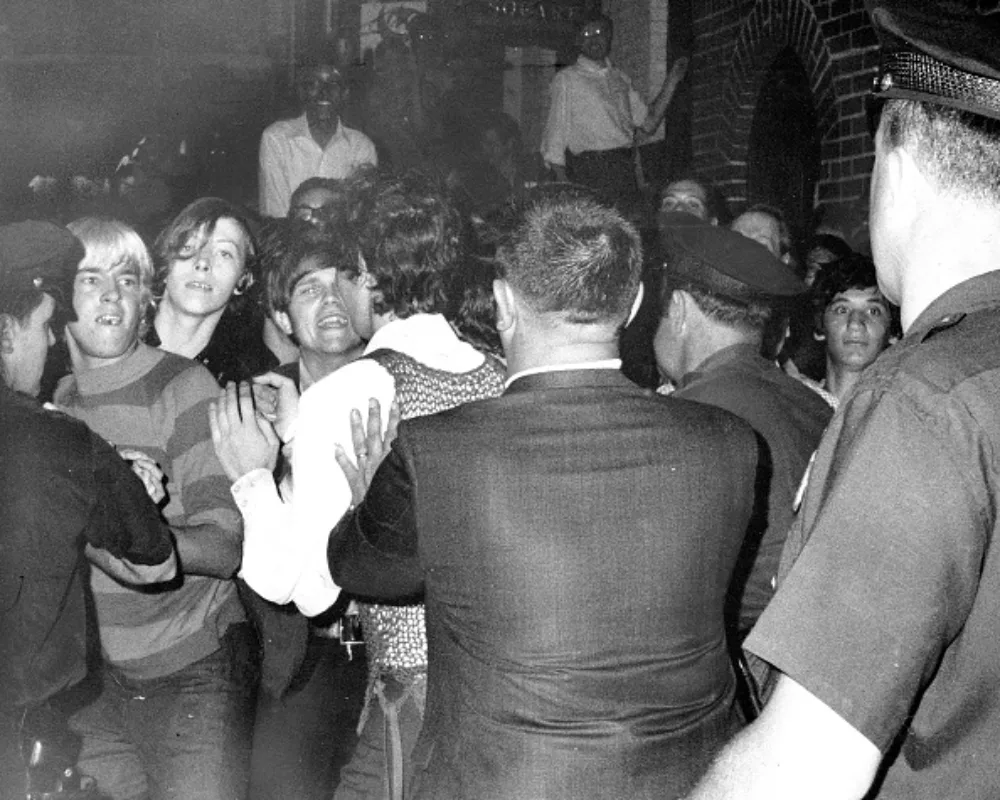
June 28, 1969 - The Night That Started a Movement
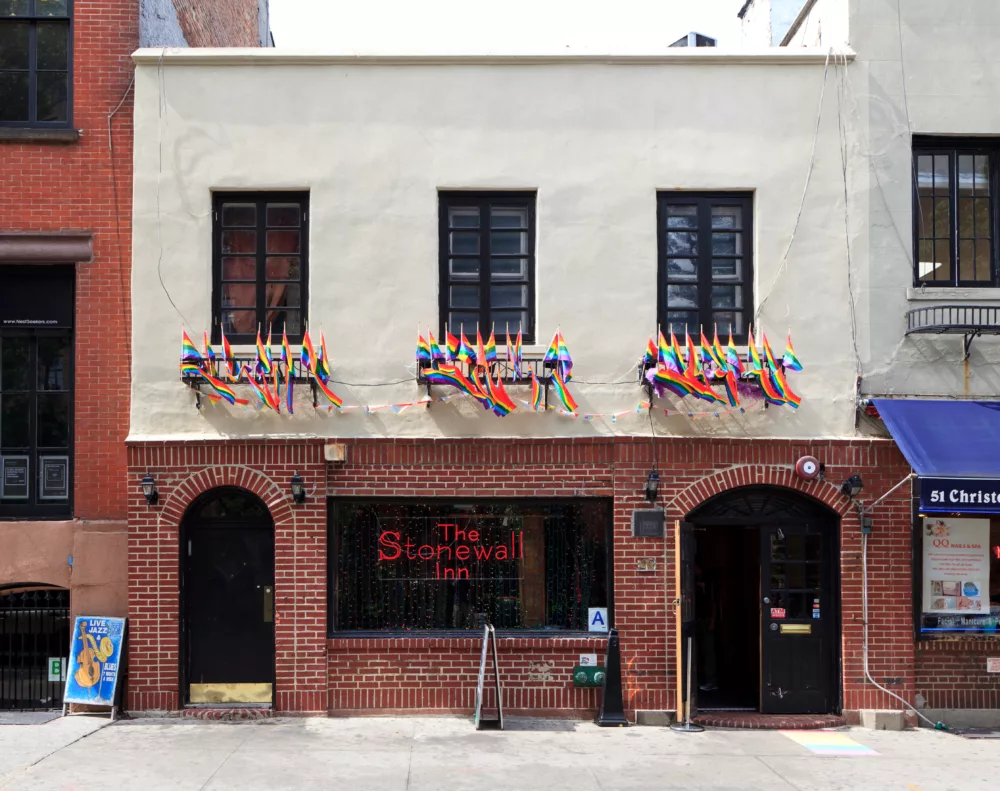
The Stonewall Inn on Christopher Street in New York City was not a glamorous place. It was a mob-run bar that catered to the people society had already decided didn’t matter: gay men, lesbians, drag queens, transgender women, many of them Black and brown.
Police raids were routine. Harassment was the norm. But on that June night, when officers raided Stonewall, the patrons pushed back. They threw bottles and coins, yelling “enough!” They were fighting for their right to live. This tragic moment in history started a movement with true staying power.
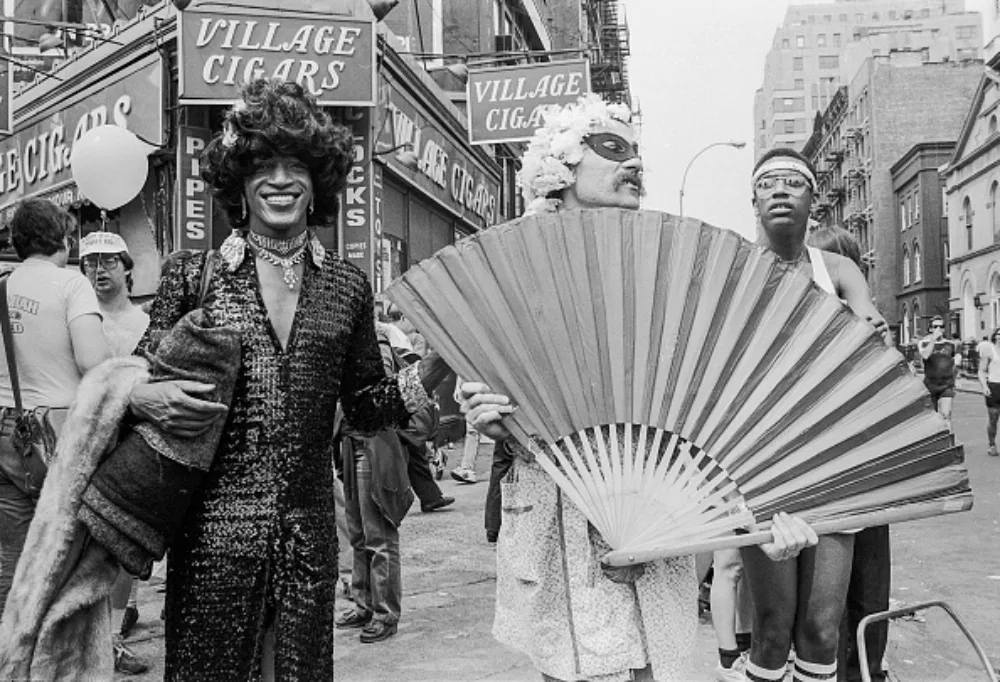
Part of that longevity is thanks to some heroes who knew their community and where to focus. Two examples are Marsha P. Johnson, a Black transgender woman and tireless activist, and Sylvia Rivera, a Latina transgender activist, who were both central figures in the movement that emerged from Stonewall.
They spent the following years fighting for the people whom the emerging movement was leaving behind — the homeless queer youth and trans women of color. In 1970 they founded STAR (Street Transvestite Action Revolutionaries) one of the earliest organizations in the country to provide housing and support for homeless queer youth, planting seeds that would grow into the community centers and nonprofit networks we know and are inspired by today.
The 1970s - Stepping Into the Light
Gay liberation organizations formed. People began marching publicly, identifying themselves openly, and building a stronger community.
In 1973, the American Psychiatric Association removed homosexuality from its Diagnostic and Statistical Manual of Mental Disorders. This was a decision that represented a hard-fought battle against the idea that LGBTQ+ people were somehow fundamentally broken. It overturned a legacy of discrimination and paved the way for modern understanding of queer identity.
Additionally, in 1971 the National Organization for Women (NOW) formally expanded its policies to include Lesbian rights, declaring that women’s rights includes defining and expressing her sexuality and that it is unjust to force lesbian mothers to stay in marriages.
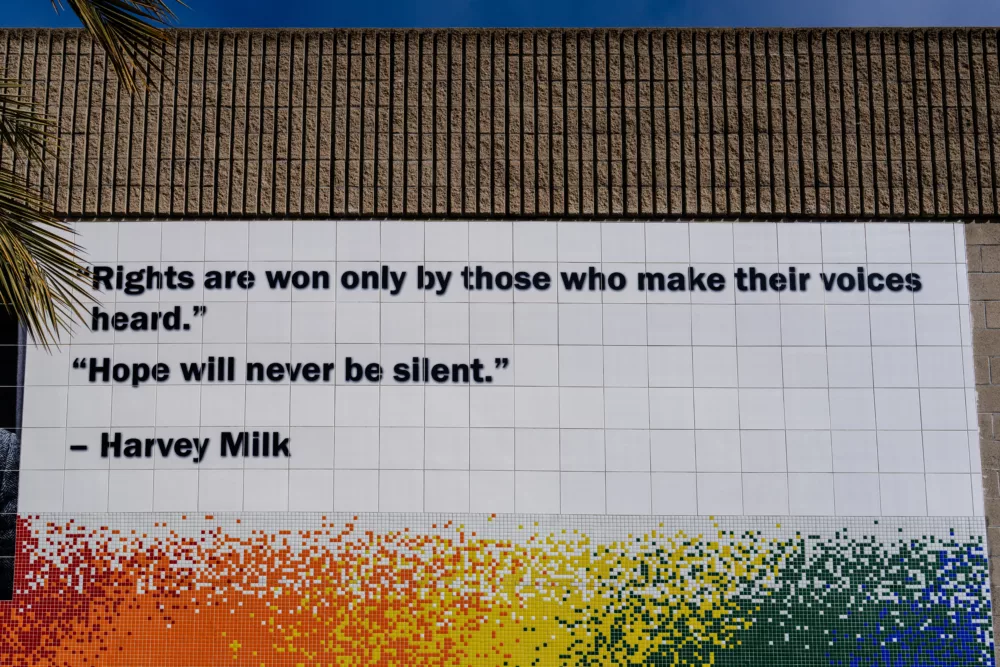
Harvey Milk was elected to the San Francisco Board of Supervisors in 1977, becoming one of the first openly gay elected officials in the country. He was assassinated in 1978, and his killer received a lenient sentence. Grief and injustice arrived at the same moment, and the community erupted into what became known as the White Night Riots.
Visibility is an act of courage, and it outlasts the people who try to silence it. Harvey Milk knew he was a target. He went forward anyway because he believed that every gay person who lived openly made it harder for the hatred to hold – something he was known for saying. The visibility and hope he insisted on kept growing long after he was gone.
The 1980s - A Community Tested
Nothing tested the LGBTQ+ community like the AIDS crisis, and nothing revealed the cruelty of abandonment like the government’s response to it.
By the early 1980s, people were dying of a mysterious illness that seemed to primarily affect gay men. The Reagan administration barely acknowledged it for years. The word “AIDS” reportedly did not cross President Reagan’s lips publicly until 1987 – by which point more than 20,000 Americans had died. And, this disease that affected all humans, was often coined as the “gay cancer.” In the end, the government’s silence was a choice that cost many lives.
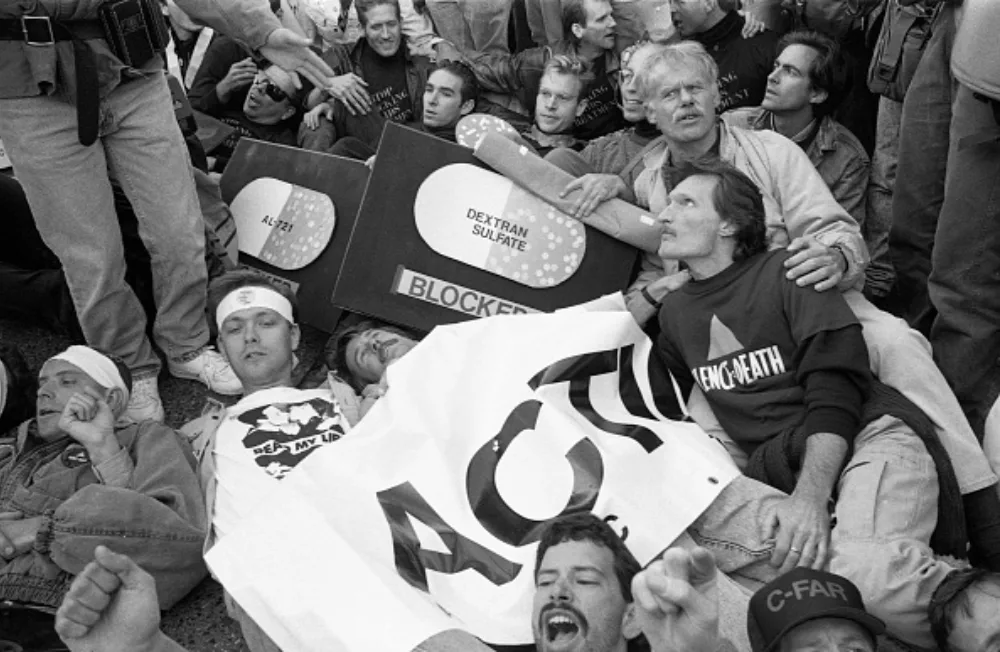
What rose up in the face of that silence and stigma was one of the most powerful acts of community self-determination in American history. ACT UP (AIDS Coalition to Unleash Power) was formed in 1987. They were loud, strategic, and furious. They stormed the FDA. They disrupted the New York Stock Exchange. And they rushed the set of the CBS Evening News during a live broadcast. They understood that media silence was as dangerous as government inaction. They demanded that the government and pharmaceutical companies treat dying people as human beings worth saving. Because of their activism, clinical trial access expanded, drug development accelerated, and the path of the epidemic began to shift.
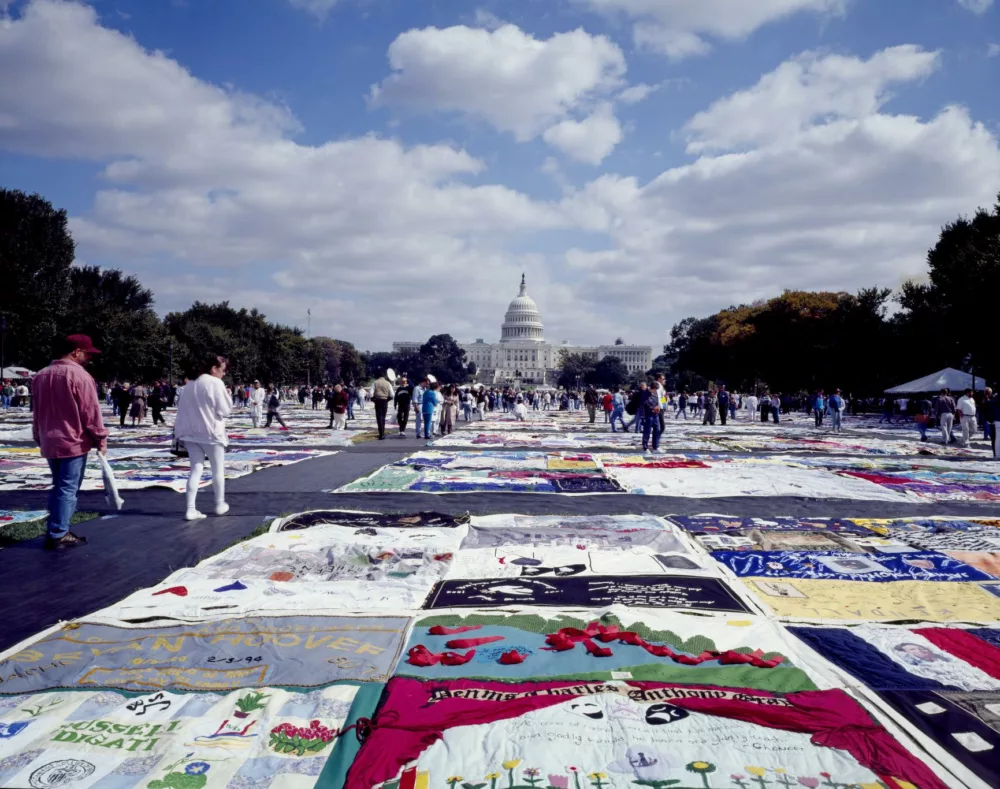
When hospitals turned away dying patients and families disowned their children, friends showed up. Strangers showed up. The queer community built its own infrastructure of care. Most notably, lesbians cared for HIV+ people, especially gay men, organizing blood drives and supportive care.
The 1990s - Pop Culture And Cracks In The Wall
In more attempts to erase and silence, “Don’t Ask, Don’t Tell” was signed into law in 1993, enforcing silence for gay and lesbian military service members. Thousands were discharged under it over the following 17 years. And in 1996, the Defense of Marriage Act was passed, defining marriage federally as between a man and a woman. It passed with overwhelming bipartisan support.
But a bright side was taking shape through pop culture. Philadelphia won the Oscar in 1994 and put AIDS on the big screen. Pedro Zamora let a generation of MTV viewers into his life with HIV and influenced an entire generation. RuPaul became a breakout star and has continued a legacy for drag queens that now spans the globe.
Though sadly, in 1998, Matthew Shepard was murdered in Wyoming – a crime so brutal that it forced a national conversation about anti-LGBTQ violence that the country had been avoiding. His mother Judy spent the next decade making sure his name meant something – turning unspeakable loss into legislation, into advocacy, into a foundation that is still doing work today: the Matthew Shepard and James Byrd Jr. Hate Crimes Prevention Act, signed in 2009. This is what it looks like to refuse to let hatred have the last word. And we ended a century now as part of the conversation with a cultural identity that could not be stomped out.
The 2000s-2010s - A New Era of Rights
Massachusetts became the first state to legalize same-sex marriage in 2004, the result of the Goodridge v. Department of Public Health ruling. That same year, 13 states passed constitutional amendments banning it. The country was at war with itself over the question of whether LGBTQ+ people were entitled to the same legal recognition of love that everyone else got.
The repeal of Don’t Ask, Don’t Tell in 2010 allowed gay and lesbian service members to serve openly. It was followed in 2013 by the Supreme Court’s United States v. Windsor decision, which struck down part of DOMA and required the federal government to recognize same-sex marriages in states where they were legal.
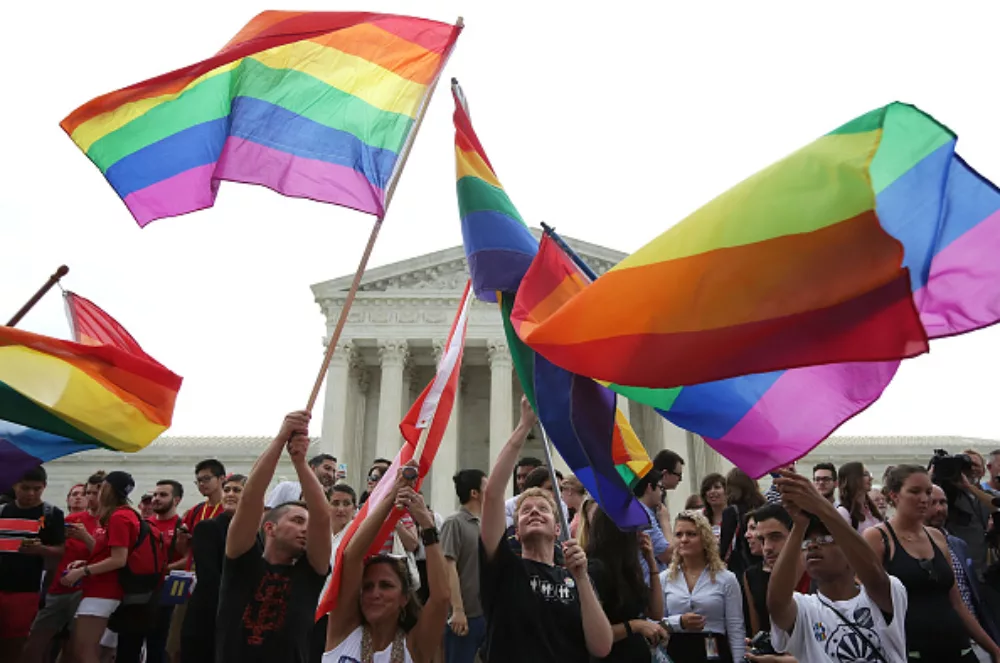
On June 26, 2015, the Supreme Court ruled that the Constitution guarantees same-sex couples the right to marry. The White House lit up in rainbow colors that night. We wept. We danced. It felt like an arrival.
Trans rights had been making progress throughout this period, too. It was slow and often invisible to those not directly affected. But the conversation was shifting. Laverne Cox appeared on the cover of Time in 2014. Caitlyn Jenner’s public transition in 2015 brought trans identity into mainstream visibility. And behind the headlines, trans advocates were doing the hard, incremental work of challenging discriminatory policies in housing, healthcare, employment, and public accommodation.
A Shift Backward
In the past few years, the ground has shifted. Executive orders redefined sex as binary and biological for the purposes of federal policy, effectively erasing transgender and nonbinary people from federal recognition. Trans service members are facing removal from the military.
More than 500 anti-LGBTQ+ bills were introduced in state legislatures in 2023 alone (a record), including the “Don’t Say Gay” law in Florida. Gender-affirming care for minors is seeing major restrictions across dozens of states. Some are setting laws to allow adoption agencies to refuse same-sex couples from starting a family. DEI programs are under attack and book bans targeting LGBTQ+ content in schools have proliferated while Pride flags and imagery removed from federal buildings and embassies worldwide.
The act of erasure is back on display, threatening to dismantle the legal and social architecture that people spent decades building.
This systemic act of “you are less than” is cloaked in an unfortunate culture war and used as a political tool. But for queer people, this is not a political issue. It’s a human rights issue. For some, it feels like the end of progress. For others, it is familiar and an opportunity.
What We Carry Forward
History kept leaving us the same little love notes. Tragedy can ignite positive action and profound change. The people in this story never had the odds in their favor. They built community anyway. They legislated, marched, grieved, and loved despite the hate. What they did changed the world. And we will do it again.
I think about what it means to work at a values-driven institution in a moment like this. At Beneficial State Bank, we believe in the rights and dignity of all people. That means LGBTQ+ people. That means trans people. That means showing up consistently, not just in June.
This Pride Month, I ask that you carry this history forward. Keep pushing. We’re not done yet.
Pride Month, at its core, is a declaration that love and inclusivity is not a liability. That identity is not a disorder. That visibility, even when it costs something, is worth it.
-Jay Blury
Jay is the Director of Marketing and Communications at Beneficial State Bank and a proud member of the bank’s LGBTQ+ employee resource group. Beneficial State Bank is a certified B Corp and CDFI committed to doing right by the communities we serve — all of them.

Jay Blury
VP, Director of Marketing and Communications

People, Planet, Prosperity for All
We lend over $1 billion to support a brighter tomorrow, including affordable housing and the environment. When you bank beneficially, you choose to support people and planet.

Spotlight on Social Justice
We advocate for a more just world where all of us have the opportunity to build vibrant, healthy, and free lives.